← All Guides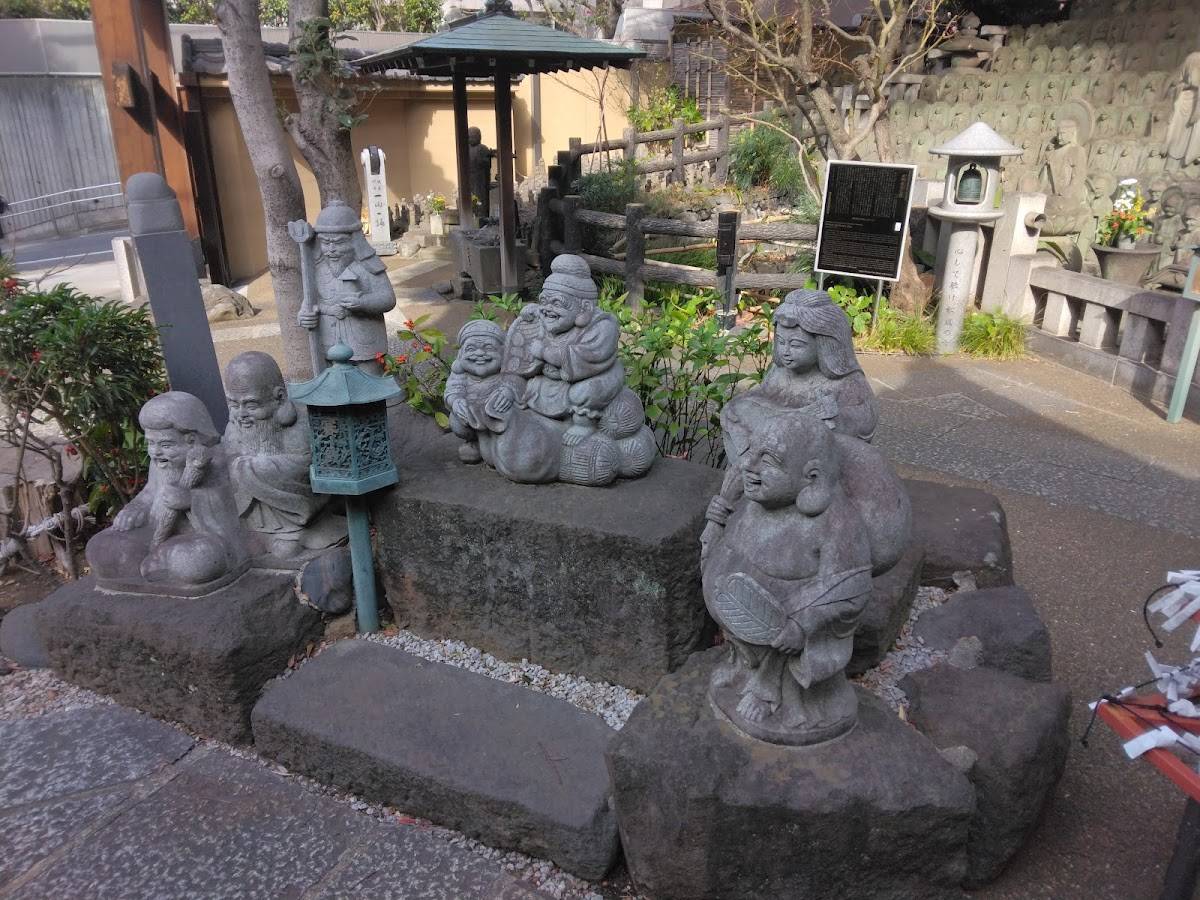
culture
Art Galleries in Daikanyama and Nakameguro
May 4, 2026
Art Galleries in Daikanyama and Nakameguro
When you hear "art galleries," your mind might conjure up pristine white walls and hushed whispers. But in the effortlessly chic neighborhoods of Daikanyama and Nakameguro, art often reveals itself in more subtle, yet equally profound, ways. These aren't just districts of trendy boutiques and cozy cafes; they are living canvases where design, nature, history, and contemporary creativity intertwine, offering an "off the beaten path" artistic journey that speaks to the soul. Here, the entire urban landscape becomes a gallery, inviting you to discover beauty in unexpected corners.
Daikanyama: A Canvas of Serenity and Style
Daikanyama, with its sophisticated ambiance and tree-lined streets, feels like a curated exhibition in itself. It’s a place where fashion, architecture, and lifestyle design converge, yet beneath this polished surface lies a deeper appreciation for natural beauty and quiet tradition.
Imagine wandering through Saigoyama Park, especially in late February or early March, when the early-blooming Kawazu cherry blossoms erupt in a vibrant pink spectacle. This isn't just a park; it's a breathtaking, ephemeral art installation by nature herself, a burst of color against the city skyline that inspires photographers and dreamers alike. It’s a reminder that some of the most profound art isn't framed, but lived and experienced. Further enhancing Daikanyama's tranquil charm is Hachiyama Park, a beloved local green space. While not an art gallery in the traditional sense, its thoughtful design and peaceful atmosphere contribute to the neighborhood's overall aesthetic appeal, offering a quiet spot for contemplation amidst the urban buzz – a perfect setting for creative thought.
Tucked away amidst the modern elegance, you'll find Sarugaku Shrine, a small but poignant testament to Daikanyama's enduring history. Its traditional architecture, the intricate details of its carvings, and the serene quietude it offers are a form of cultural art, a timeless piece that grounds the neighborhood in its past. Visiting here is like stepping into a historical exhibit, a peaceful counterpoint to the area's contemporary flair. These spots, while not housing paintings or sculptures, contribute to Daikanyama's unique artistic identity, proving that art is all around us, in the design of a space, the bloom of a flower, or the quiet reverence of a shrine.
Nakameguro: Where Creativity Flows with the River
Just a short stroll from Daikanyama, Nakameguro offers a different, yet equally compelling, artistic narrative. Centered around the picturesque Meguro River, this neighborhood pulses with a relaxed, bohemian energy, a place where creativity seems to flow as freely as the water itself. The river, famous for its awe-inspiring cherry blossoms in spring, transforms into a dynamic, seasonal artwork, reflecting the changing moods of Tokyo. Even outside of sakura season, the riverside promenade, dotted with stylish boutiques and cafes, feels like an open-air gallery showcasing urban design and curated lifestyles.
As you wander along the river, you'll encounter a truly unique piece of public art: Confluence Playground. Designed by the acclaimed artist Hiroshi Sugimoto, this installation, with its distinctive arrangement of stones where the Meguro River meets another stream, is a contemplative space that blurs the lines between art, nature, and urban landscape. It's a quiet invitation to pause, reflect, and appreciate the subtle beauty of form and environment – a true highlight for those seeking art beyond conventional walls.
Nakameguro also harbors its own historical and spiritual artistry. Hikawainari Shrine, with its vibrant red torii gates and charming fox statues, offers a glimpse into traditional Japanese spiritual art. The carefully maintained grounds and the symbolic elements are artworks in themselves, embodying centuries of cultural expression. Similarly, the majestic Bell Pagoda at Meguro Fudoson Ryusenji Temple stands as a magnificent example of traditional Buddhist architecture. Its intricate design and the resonant bronze bell are a testament to the artistry of craftsmanship and spiritual dedication, offering a serene, almost meditative, encounter with history.
The Art of Discovery
Ultimately, the "art galleries" of Daikanyama and Nakameguro aren't confined to specific buildings. They are woven into the very fabric of these neighborhoods. From the ephemeral beauty of cherry blossoms in Saigoyama Park to the thoughtful design of Confluence Playground, and the enduring grace of Sarugaku Shrine and the Bell Pagoda, these areas invite you to explore art in its broadest sense. It's about the feeling you get as you wander, the appreciation for the aesthetic choices in architecture, the tranquility of a hidden shrine, or the vibrant pulse of a riverside community. It's about discovering your Tokyo, off the beaten path, through an artistic lens.
Getting There
Both Daikanyama and Nakameguro are easily accessible by train.
- Daikanyama: Served by the Tokyu Toyoko Line (one stop from Shibuya).
- Nakameguro: Served by the Tokyu Toyoko Line and Tokyo Metro Hibiya Line.
Once you arrive, the best way to experience these areas is on foot. Allow yourself to wander, get a little lost in the charming backstreets, and let serendipity guide you to your next artistic discovery. Wear comfortable shoes, and be prepared to take your time soaking in the unique atmosphere of each district.

